Gaynes' Capabilities
4
min read
Share

Corrosion is one of the leading causes of material degradation, product failure, and costly maintenance issues across numerous industries.
Whether it is a fastener exposed to outdoor conditions, an automotive component subjected to road salt, or a protective coating designed for harsh environments, corrosion can significantly impact product performance and lifespan.
That is why salt spray testing (also known as salt fog testing), remains one of the most widely used methods for evaluating corrosion resistance.
By accelerating the corrosion process in a controlled laboratory environment, manufacturers can better understand how materials, coatings, and finished products are likely to perform over time.
What Is Salt Spray Testing?
Salt spray testing is a standardized corrosion test that exposes materials and coated components to a fine mist of salt solution inside a controlled test chamber.
The purpose of the test is to accelerate the effects of corrosive environments and evaluate how well a material or protective coating resists degradation.
The most commonly referenced standard for this testing is ASTM B117, which establishes procedures for creating and maintaining a controlled salt fog environment.
During testing, specimens are exposed to a continuous salt mist for a specified period of time. After exposure, the samples are evaluated for signs of corrosion, including:
Rust formation
Pitting
Blistering
Coating failure
Surface degradation
The results help manufacturers compare materials, validate coatings, and assess long-term durability.
How Does Salt Spray Testing Work?
The process is relatively straightforward, but the results can provide valuable insight into product performance.
A typical salt spray chamber generates a fine mist using a sodium chloride solution that is continuously circulated throughout the testing environment.
Test specimens are placed inside the chamber at specific orientations and exposed for a predetermined duration.
Depending on the product, industry requirements, or customer specifications, exposure times may range from 24 hours to 1,000+ hours.
Following exposure and on predetermined intervals, the samples are inspected for evidence of corrosion and performance under these harsh conditions.
The goal is not necessarily to predict the exact lifespan of a product, but rather to provide a consistent method for comparing materials and evaluating relative corrosion resistance.
Why Corrosion Resistance Matters
Corrosion can impact far more than appearance.
Over time, corrosion may affect:
Structural integrity
Product functionality
Safety
Electrical performance
Customer satisfaction
For manufacturers, corrosion-related failures can lead to:
Warranty claims
Product recalls
Increased maintenance costs
Premature product replacement
Damage to brand reputation
Identifying potential weaknesses early allows companies to make informed decisions about materials selection, protective coatings, and product design before products reach the field.
Common Materials Evaluated Through Salt Spray Testing
Salt spray testing is commonly used to evaluate a wide range of materials and surface treatments.
Examples include:
Painted surfaces
Powder-coated materials
Electroplated components
Galvanized steel
Stainless steel
Aluminum alloys
Zinc coatings
Hardware and fasteners
Manufacturers often use testing to compare different coating systems or validate that products meet customer and industry requirements.
Corrosion resistance performance can vary significantly depending on material selection, coating thickness, surface preparation, and environmental exposure conditions.
Industries That Rely on Salt Spray Testing
Because corrosion affects so many products and environments, salt spray testing is used across numerous industries.
Automotive
Automotive manufacturers use salt spray testing to evaluate components exposed to road salt, moisture, and harsh environmental conditions.
Common applications include:
Fasteners
Brackets
Underbody components
Coated metal assemblies
Aerospace
Aircraft components often require high levels of corrosion resistance due to exposure to moisture, temperature fluctuations, and demanding operating conditions.
Testing helps verify material and coating performance before components enter service.
Marine
Marine environments are among the most corrosive conditions products can face.
Salt spray testing helps evaluate products intended for:
Coastal environments
Marine equipment
Offshore applications
Shipboard components
Construction and Industrial
Construction materials, structural hardware, and outdoor equipment are frequently exposed to weather and environmental contaminants.
Testing helps validate long-term durability and coating performance.
Electronics
Many electronic components contain metal contacts, connectors, and housings that must resist corrosion throughout their service life.
Salt fog testing can help identify vulnerabilities that may affect performance and reliability.
Medical Devices
Certain medical devices and healthcare equipment utilize metal components or protective coatings that require corrosion resistance validation.
Testing can help support product quality and long-term performance objectives.
Salt Spray Testing vs Real-World Corrosion
One common misconception is that salt spray testing directly predicts product lifespan.
In reality, salt spray testing is an accelerated corrosion test, not a direct simulation of every real-world environment.
Many variables influence actual corrosion behavior, including:
Temperature
Humidity
UV exposure
Chemical exposure
Environmental contaminants
Product usage conditions
However, salt spray testing remains valuable because it provides a repeatable, standardized method for comparing materials and coatings under controlled conditions.
This consistency makes it an important tool for product development, quality assurance, and material selection.
ASTM B117 and Industry Standards
The most widely recognized standard for salt spray testing is ASTM B117.
This standard establishes requirements for salt solution preparation, chamber conditions, temperature control, sample placement, and operating procedures.
Depending on the industry or customer requirements, additional standards may also apply.
Understanding the applicable testing standard is an important part of developing an effective validation program.
Partner with Gaynes Labs for Corrosion Testing
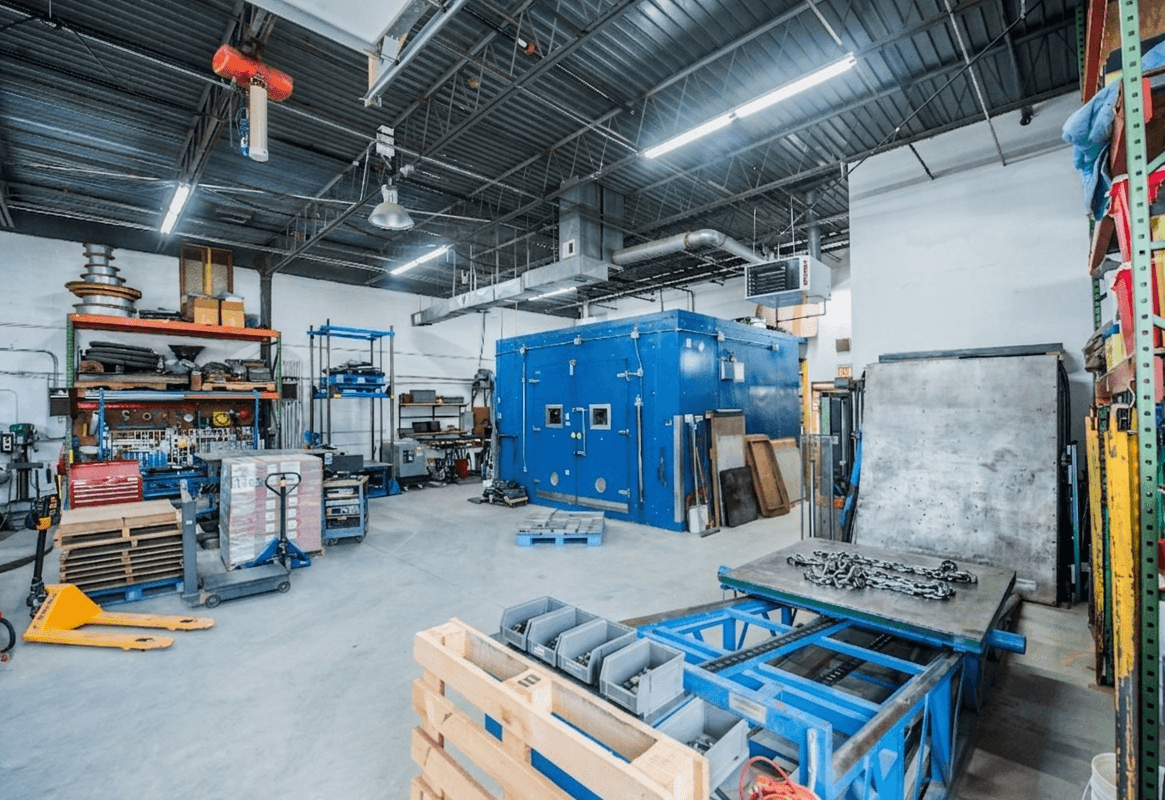
At Gaynes Labs, we help manufacturers evaluate materials, coatings, and products through comprehensive corrosion testing services. We have a relatively large salt fog chamber that allows you to test multiple samples at once.
Whether you need salt spray testing, salt fog testing, or support with industry-specific testing requirements, our team can help you develop a testing program aligned with your product and performance objectives.
Through accurate, repeatable testing, companies can gain confidence in product durability and make informed decisions before products enter the marketplace.
Contact Gaynes Labs at sales@gaynestesting.com to discuss your corrosion testing requirements.
Learn more about our testing capabilities at www.gaynestesting.com