Industry Knowledge
2
min read
Share
If your company ships hazardous materials, packaging is not just about protecting the product. It is about protecting people, transportation systems, and the environment throughout the shipping process.
That is why UN/DOT hazmat packaging certification exists.
From lithium batteries and chemicals to aerosols, adhesives, and flammable liquids, hazardous materials are heavily regulated in the United States and internationally. Before these materials can legally move through the supply chain, the packaging must meet strict testing and compliance requirements.
Understanding how certification of hazardous materials works is essential for manufacturers, distributors, and companies involved in the shipping process.
What Is UN/DOT Hazmat Packaging Certification?
UN/DOT certification refers to packaging that has been tested and approved for transporting hazardous materials according to regulations established by the United Nations (UN) and the U.S. Department of Transportation (DOT)
In the United States, these requirements are enforced under 49 CFR hazardous materials regulations and overseen by the Pipeline and Hazardous Materials Safety Administration (PHMSA).
The process is sometimes referred to separately as UN certification (reflecting the international United Nations performance standards the packaging must meet) or DOT package certification, which refers to the U.S. regulatory approval issued under 49 CFR. In practice, the two are deeply linked: DOT regulations are modeled on UN Model Regulations, and certification from a PHMSA-authorized lab satisfies both.
The purpose of certification is simple:
Packaging must safely contain hazardous materials during storage, handling, and transportation, even under demanding real-world conditions.
Unlike standard package testing, hazmat certification focuses on preventing leaks, spills, and containment failures that could create safety or environmental risks.
Who Needs UN/DOT Packaging Certification?
If your business manufactures, ships, imports, or distributes materials that are considered hazardous, there is a strong chance your packaging requires certification.
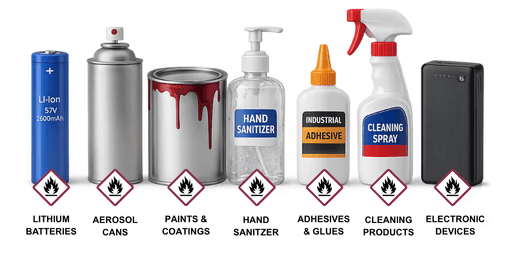
This commonly includes:
Lithium batteries
Chemicals and solvents
Paints and coatings
Aerosols
Adhesives
Flammable liquids
Corrosive materials
Certain pharmaceutical and cleaning products
Many products that appear relatively harmless still qualify as hazardous materials under DOT regulations.
For example, alcohol-based sanitizers, aerosol products, and battery-powered consumer devices may all require certified packaging depending on the product classification and shipping method.
If a product is regulated as hazardous material, the packaging must be tested and documented according to applicable UN/DOT standards before transport.
What Does UN/DOT Testing Involve?
UN/DOT testing is designed to evaluate whether packaging can safely withstand transportation hazards without failing.
The exact requirements vary based on the material classification and packaging type, but common tests include:
Drop Testing
Packages are dropped from specific heights to simulate impacts during handling and transit. The goal is to ensure the packaging maintains containment and structural integrity.
Vibration Testing
Packages undergo vibration testing that simulates truck, rail, or air transportation conditions over time.
Stacking and Compression Testing
Compression testing evaluates whether packaging can withstand the weight of stacking during storage and shipment.
Leakproofness Testing
For liquid hazardous materials, packaging must demonstrate it can prevent leaks under pressure and transportation conditions.
Hydrostatic Pressure Testing
Some packaging systems must also withstand internal pressure testing depending on the hazardous material involved.
These tests help verify that the packaging can safely perform throughout the distribution process and comply with federal transportation regulations.
Understanding Packaging Groups
Hazardous materials are assigned to packaging groups based on their level of danger:
Packing Group I = High danger
Packing Group II = Medium danger
Packing Group III = Low danger
The assigned group determines the level of testing and performance required for the packaging system.
Higher-risk materials require more demanding packaging performance standards and testing procedures.
Why Lab Authorization Matters
Not every testing lab is authorized to perform UN/DOT certification work.
PHMSA requires testing facilities to meet strict standards related to:
Equipment capabilities
Quality systems
Technical expertise
Documentation procedures
As a result, only a limited number of laboratories in the United States are authorized to conduct this type of testing.
Working with a PHMSA-authorized lab ensures your packaging certification is legitimate, compliant, and recognized throughout the transportation and regulatory process.
Common Challenges Companies Face
One of the biggest mistakes companies make is waiting too long to address hazmat packaging compliance.
In many cases, businesses develop packaging first and only later discover:
The packaging does not meet regulatory requirements
Additional testing is required
Materials need redesign or modification
Documentation is incomplete
This can create shipping delays, increased costs, and compliance risks.
Another common issue is misunderstanding how specific certifications are tied to exact packaging configurations. Even seemingly small changes to materials or dimensions may require retesting.
Finally, many companies do not realize that hazardous material packaging certifications expire, and recertification at regular intervals is required.
How Gaynes Labs Supports UN/DOT Certification
Gaynes Labs is a DOT-authorized hazmat testing laboratory and one of less than 20 facilities in the United States certified to conduct UN/DOT package certification.
For decades, Gaynes has provided hazmat testing services that help manufacturers, distributors, and shippers achieve UN certification and DOT package certification for a wide range of regulated materials.
With deep expertise in hazardous materials packaging and compliance, Gaynes helps companies:
Determine applicable testing requirements
Evaluate packaging systems
Conduct certified testing procedures
Issue a certification number upon passing
Navigate documentation and compliance requirements
Whether you are shipping chemicals, batteries, aerosols, or other regulated materials, proper testing is essential for both compliance and safety.
Ensure Your Hazmat Packaging Meets Compliance Requirements
Hazardous materials shipping regulations continue to evolve, and compliant packaging plays a critical role in protecting your products, customers, and supply chain.
UN/DOT certification helps verify that your packaging can safely perform under real transportation conditions while meeting federal and international standards.
If your company ships hazardous materials and needs guidance on packaging certification, Gaynes Labs can help.
Contact Gaynes Labs at sales@gaynestesting.com to discuss your packaging and compliance needs.
Learn more about our packaging testing services here